
Balance Your Gut, Boost Your Life

“All disease begins in the gut.” Hippocrates
From everything I’ve learned and experienced the gut can either betray you or nourish you. Today let’s make it a source of wellness.
The gut, also referred to as the second brain, has a specific description.
The Cleveland Clinic describes the gut in this way; The gastrointestinal tract, not a single organ, but rather a complex organ of hollow organs, including the esophagus, stomach, small intestine and large intestine, all acting together as one functional unit.
What is the gut's job?
It digests your food, absorbs nutrients and provides immunity and hormone production.
But guess what else? The gut is about eight meters or twenty-six feet long, and it carries food from your mouth to your bottom.
Eating well and living healthy will help the food to get to the right place and keep you vital. Side note, pooping every day is crucial to ridding the toxins and bad bacteria.
That's right, a regular bowel movement every day, sometimes twice a day, will prevent the waste from sitting too long in your colon and creating disease.
Now that you know what the gut is, let's find out how to make it happy and healthy. I will share small bits of information today that I've collected from various sources about how to care for your gut.
And you know what, you may be surprised to learn that the source of gut health is through real food.
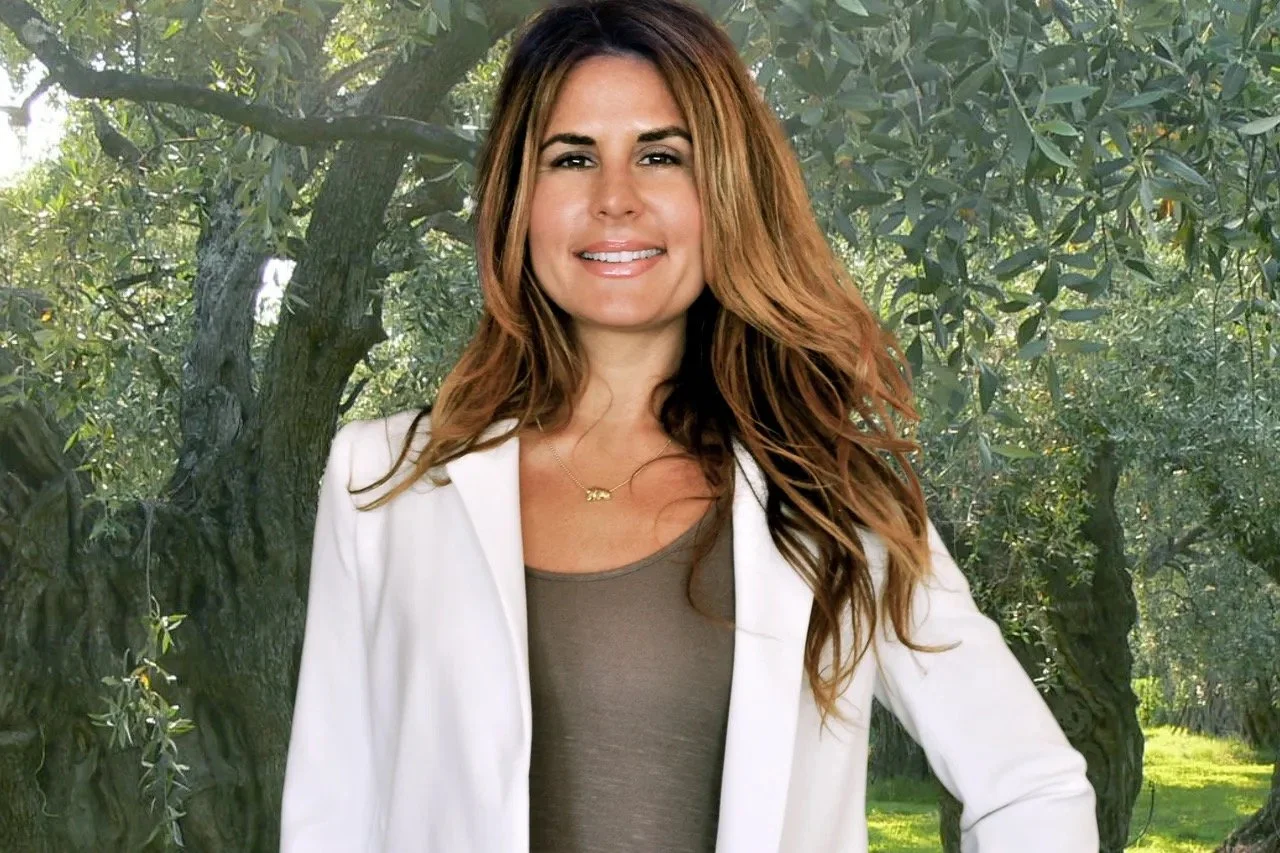
A couple of years ago, I interviewed an experienced and knowledgeable food scientist and author, Stella Metsovas of Los Angeles, California.
Stella, a clinical nutritionist, has traveled the world with the United Nations to study food in different cultures. Her practice is in Los Angeles, California and it concentrates on gut health through the Mediterranean diet.
Stella believes in the basics.
During this week’s episode of Kefi Life the Podcast you will hear her share that there is no magic pill that's going to bring you gut health.
“Number one, real food is going to be your ticket to gut health.”
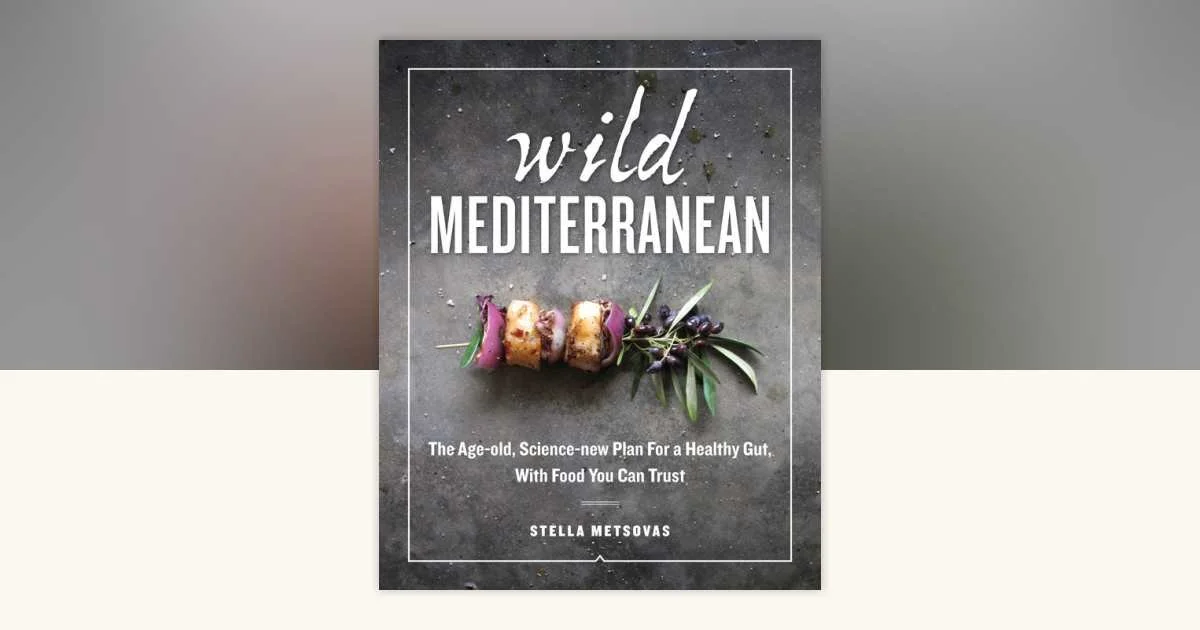
Stella goes on to say, the Mediterranean diet is the best for gut health. She writes all about that in her book Wild Mediterranean.
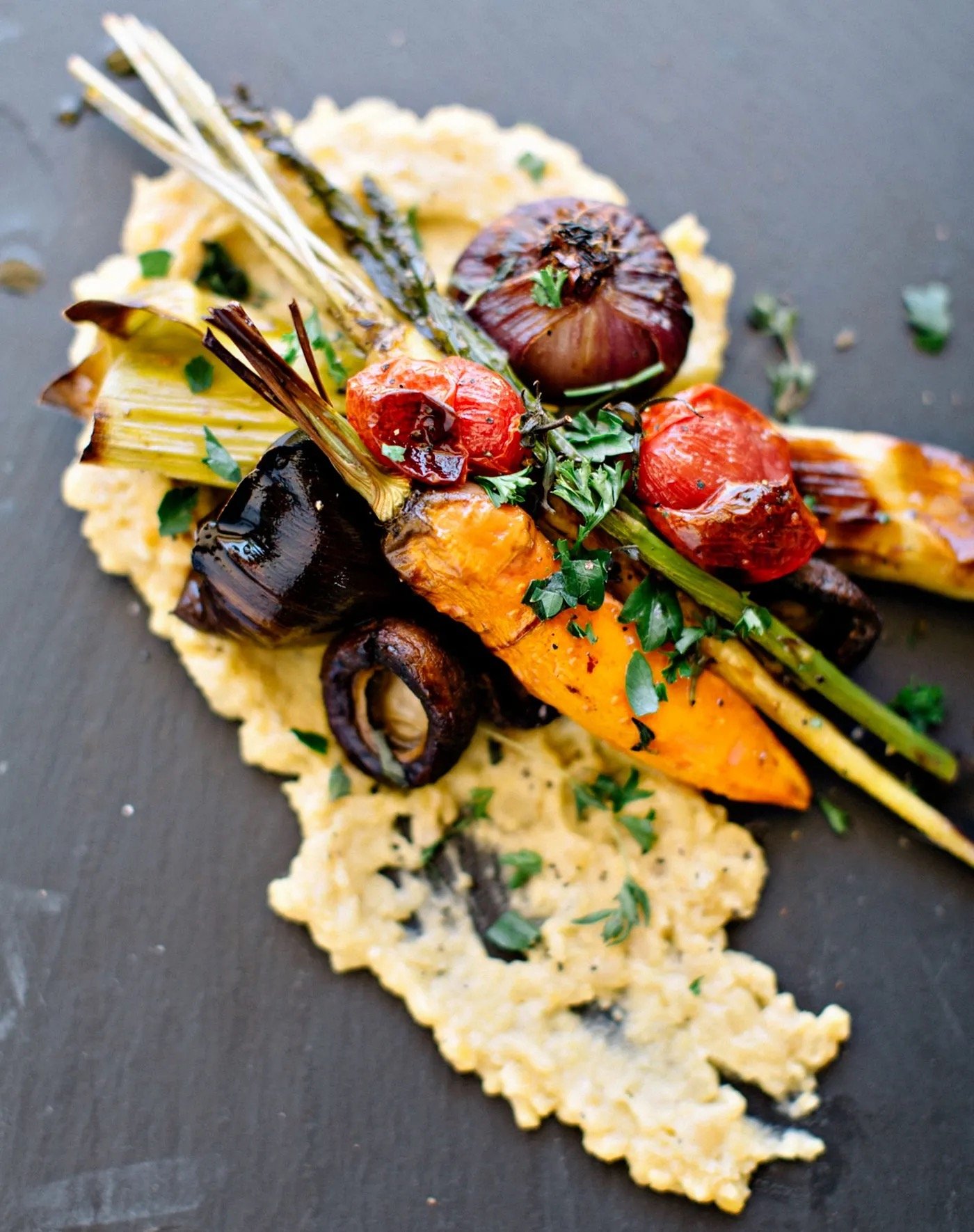
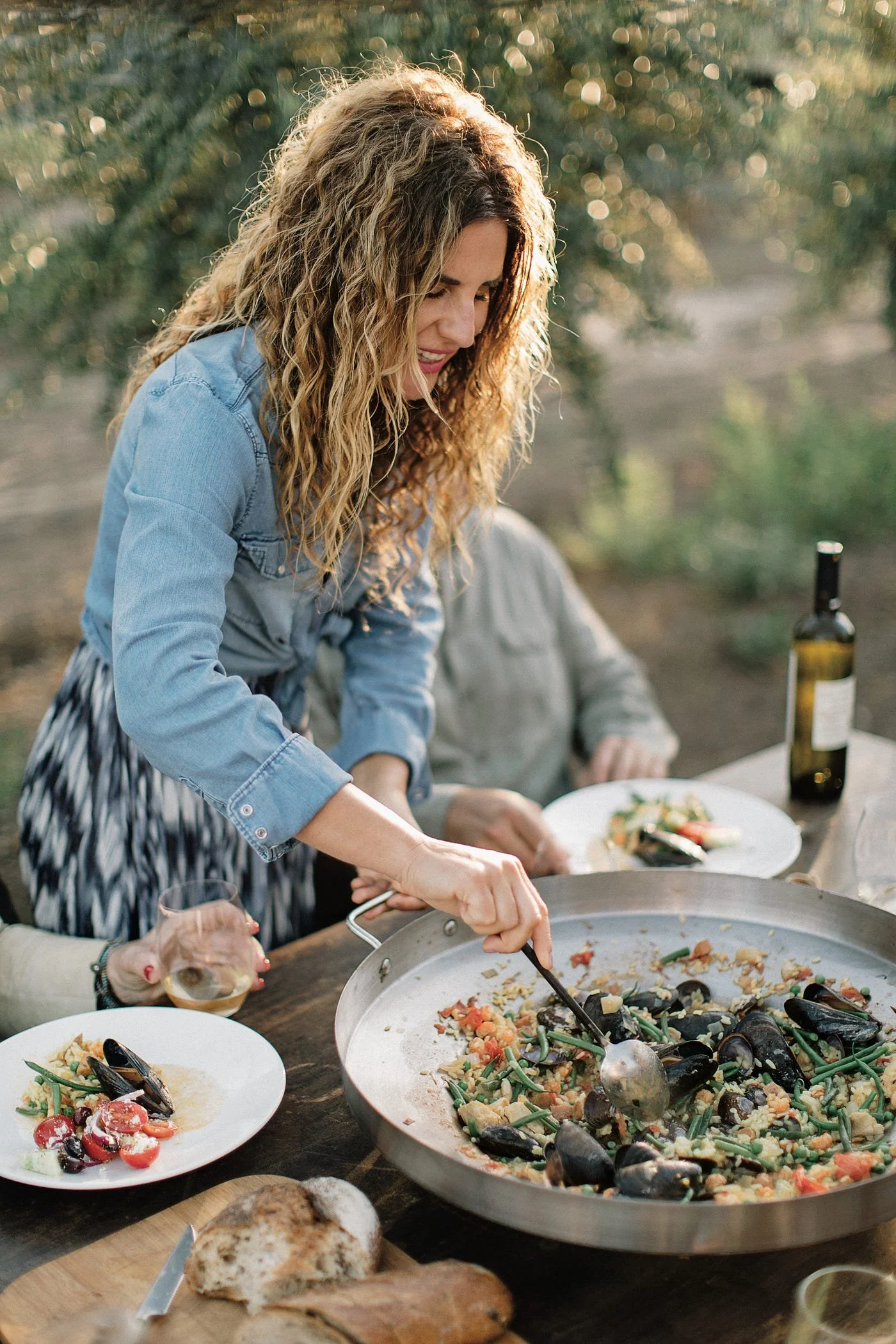
Why is the Mediterranean Diet for good gut health? Because it is so plant rich.
The classic Mediterranean diet has about two to three servings of plant-based foods versus one serving of protein. The number one key for gut health is naturally occurring plant fiber.
Friends, don't be afraid when you hear plant foods. When seasonal, they hold the nutrients and the power to get you feeling better and more alive and more energized.
Additionally, plant foods and all food should be fuel to help us live.
Doctor Gundry takes food a step further and says, “The real purpose of food is to get olive oil in your mouth.”
Does olive oil benefit the gut? Yes, it does.
High quality or extra virgin olive oil contains the very thing that Stella says plant food does, it contains polyphenols, which will help your body heal and be healthy.
Get the highest grade of extra virgin olive oil at KEFILIFE.COM
I personally like to call polyphenols the body's working little soldiers. Polyphenols are also plant compounds. To break it down, polyphenols are like prebiotics and help the good bacteria grow in the gut. Additionally, eating olive oil reduces gut inflammation because of the olive oil's compound, oleocanthal, which is like an ibuprofen function.
BONUS: The oleocanthal is naturally occurring with no potential side effects.
Olive oil really is a gift of the earth; it will calm the inflammatory response in your gut to support wellness.
TODAY’S TAKEAWAY: By focusing on these three pillars- real, whole food, healthy fats add high fiber plant foods- you provide your body with the nutrients required for optimal, long-term vitality. And it all begins in the gut!
Friends, hope this blog whet your palate to dive deeper into the practices of balancing the gut to boost to your life.
Ola Kala, All is Well!
Sending you filakia-kisses
Kiki